Terraced Agriculture
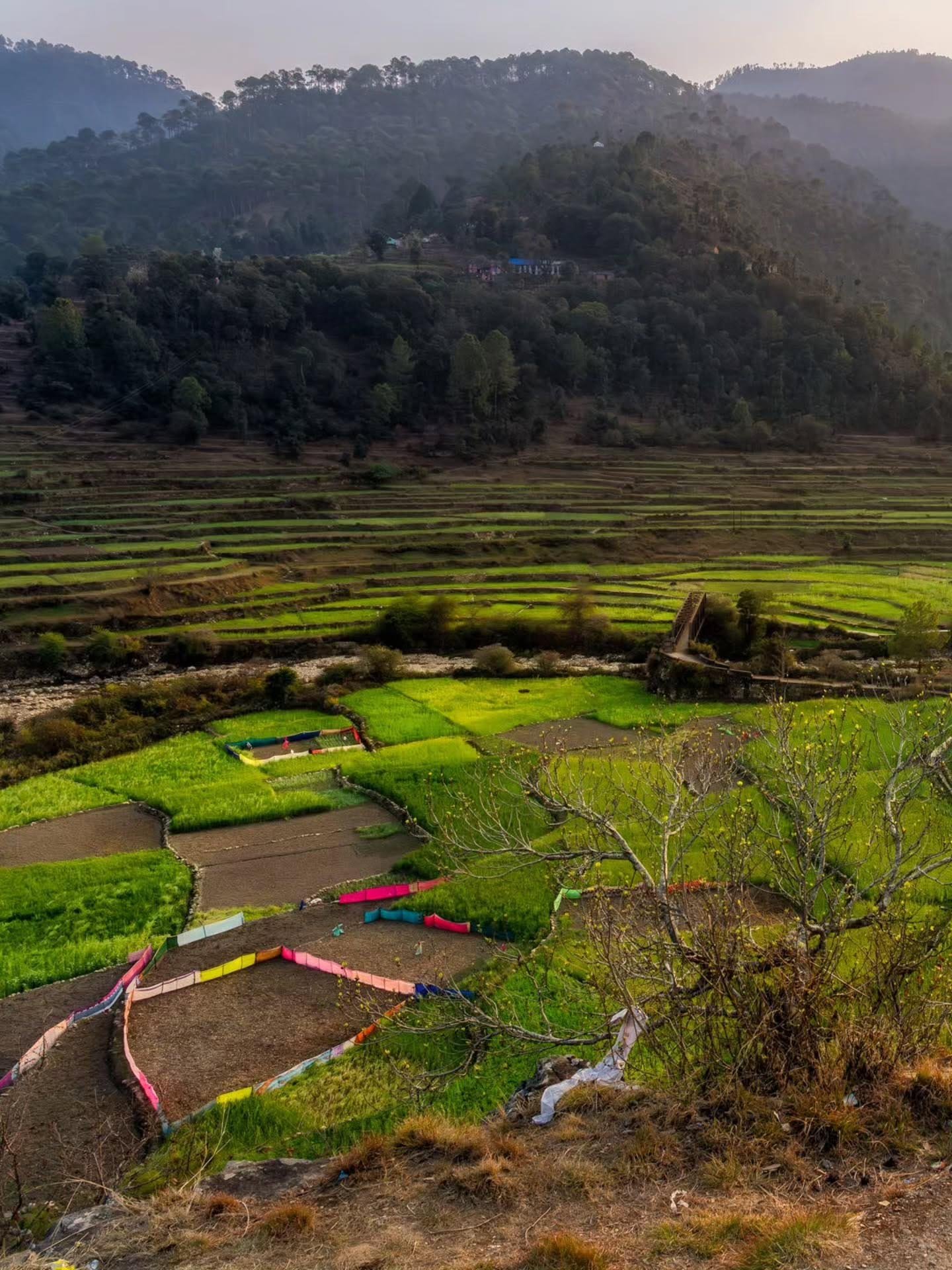
Cultivation on mountain slopes has created the distinctive terraced landscapes found across many Himalayan settlements.

Discover the rhythm of everyday life in the Himalayan villages of Chamoli, where homes, farms, forests, traditions and community remain closely connected.
Across Chamoli, villages are shaped by the mountains around them. Daily life follows the rhythm of the seasons, agriculture, local traditions and close-knit communities.
From stone-and-slate homes built along mountain slopes to terraced fields and forest paths, the landscape is not simply a backdrop to village life. It is an essential part of it.
A visit to a Himalayan village offers a different perspective of Chamoli — one that goes beyond its famous temples, trekking routes and mountain viewpoints.
Life in the villages changes with the Himalayan seasons. The work of the fields, movement through forests, preparation of food and community activities all respond to the weather and the agricultural cycle.
In warmer months, fields and village paths become active with cultivation and movement. As winter approaches, households prepare for colder conditions and life becomes more closely centred around the home and community.
This seasonal rhythm is one of the defining characteristics of traditional life in the mountains.
Traditional Himalayan settlements reflect the environment in which they have evolved.
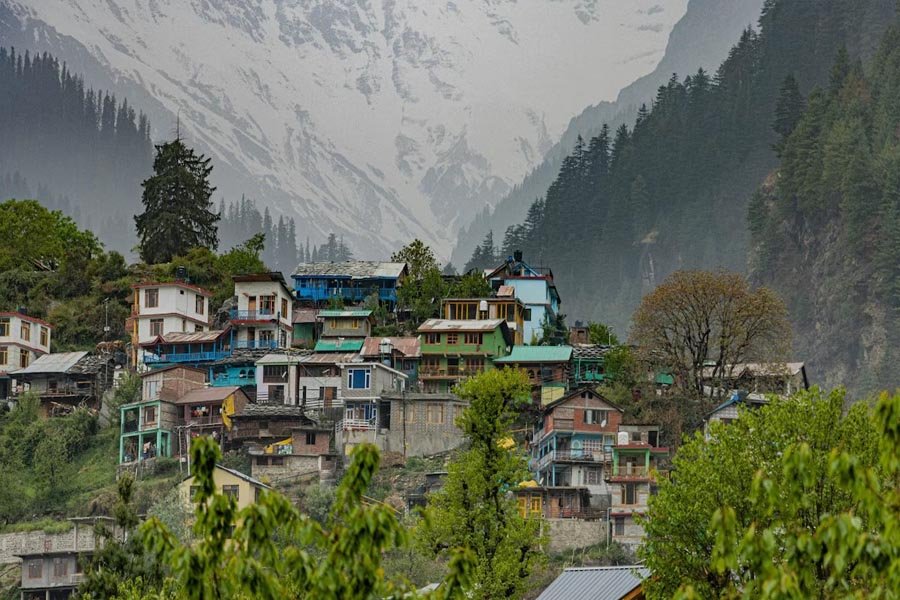
Traditional houses in the region often use locally available materials such as stone, timber and slate. Their construction reflects generations of knowledge about the local climate and terrain.
Villages frequently follow the natural contours of the mountains, with houses, paths, fields and water sources forming interconnected settlements.
Food traditions in the mountains are closely connected with agriculture, seasonality and locally available produce.
Cultivation on mountain slopes has created the distinctive terraced landscapes found across many Himalayan settlements.
Local diets traditionally make use of grains, pulses, vegetables, herbs and other produce available according to the season.
Village kitchens preserve recipes and cooking practices passed through generations, often using simple local ingredients.
Meals and local food traditions are also part of festivals, gatherings and everyday hospitality.
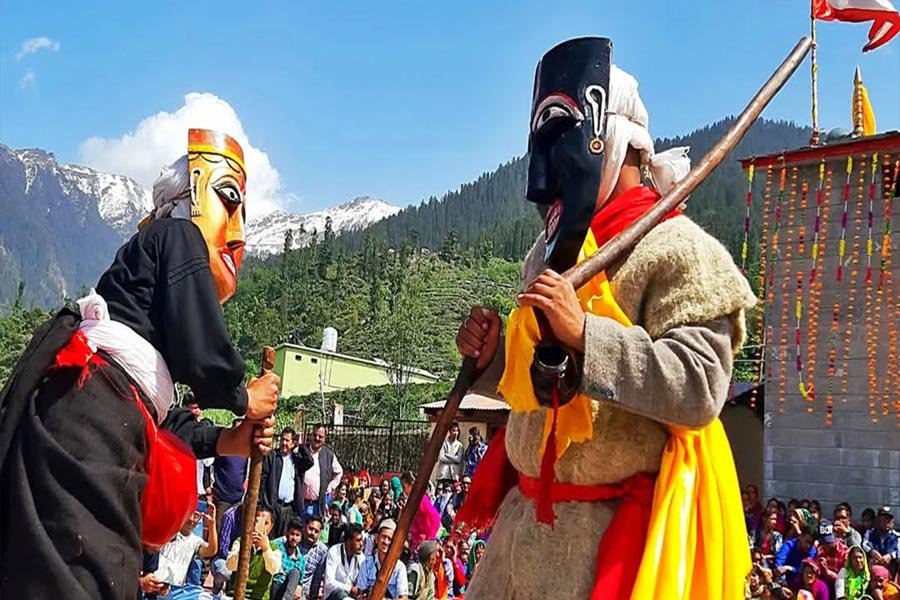
Village communities preserve traditions through festivals, rituals, music, dance, food and oral histories.
Religious traditions are an important part of life across the region, while seasonal celebrations and community gatherings create opportunities for people to come together.
These traditions provide visitors with an opportunity to understand Chamoli beyond its physical landscape and discover the cultural connections that give its villages their character.
Village experiences are often about observing, listening and taking time to understand the place.
Explore traditional lanes, homes, fields and viewpoints while observing everyday mountain life.
Experience regional flavours and learn about the ingredients and traditions behind local dishes.
Conversations with residents can offer perspectives on village history, traditions and changing lifestyles.
Notice how forests, water sources, agricultural land and settlements are connected to everyday life.
Some of Chamoli's best cultural experiences can be found around its historic settlements and mountain communities.
One of Chamoli's best-known high-altitude settlements, located close to Badrinath and known for its distinctive mountain setting and cultural heritage.
Explore the cultural landscape around Gopeshwar, where temple heritage, agriculture and mountain settlements come together.
Discover the settlements around Joshimath and experience a landscape shaped by pilgrimage, mountain livelihoods and changing seasons.
Villages are living communities, not attractions. A meaningful village experience begins with respecting local customs, privacy, homes and everyday routines.
Slow down. Walk a village path. Listen to its stories. Experience Chamoli through its communities.